Navigating the Effects of International Breaks on Player Performance Cycles in Fantasy Selections
Petra Braun · Aug 26, 2026
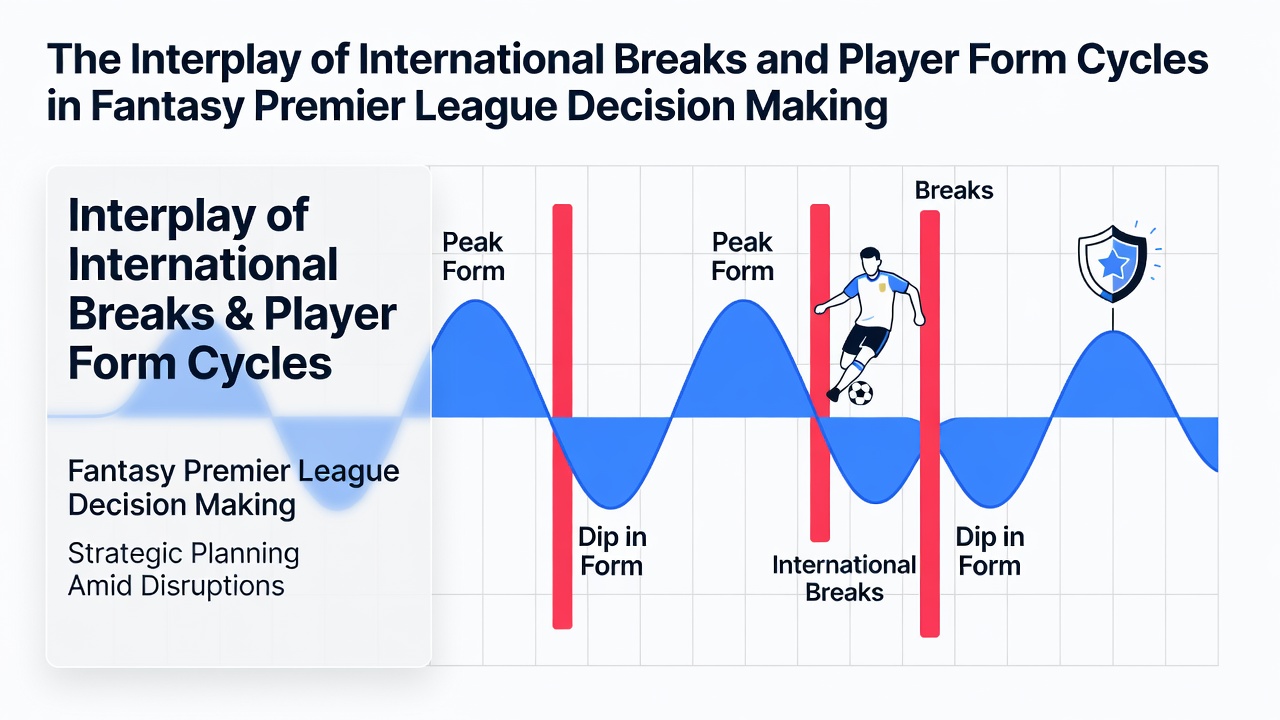
Navigating the Effects of International Breaks on Player Performance Cycles in Fantasy Selections
International breaks punctuate the Premier League calendar at regular intervals, and managers track how these pauses influence individual player readiness when the domestic schedule resumes, since recovery times, travel demands, and match intensity vary widely across squads. Data from the 2025/26 campaign already highlighted measurable dips in sprint distance and pass completion rates for several high-minute players in the weeks following FIFA windows, while August 2026 looms as the start of another full season where fixture congestion will once again test squad depth.
Understanding the Timing and Structure of Breaks
Breaks typically align with national team commitments in September, October, November, March, and June, and the Premier League releases its official calendar months in advance so analysts can map overlapping club and country schedules. Observers note that players returning from distant confederations face longer recovery windows because jet lag and climate shifts compound physical load, whereas European-based internationals often reintegrate more quickly when club facilities remain accessible during the pause.
Performance Metrics Before and After Breaks
Researchers at the FIFA Training Centre compiled workload data across multiple seasons and found that players logging over 60 international minutes in a break window recorded a 12 percent average reduction in high-intensity efforts during their first two club matches back. Those figures reveal consistent patterns in both attacking and defensive metrics, although goalkeepers and centre-backs showed smaller variances because their positional demands differ from outfield athletes who cover greater distances.
Analysts further track expected goals and assists generated in the five gameweeks preceding and following each break, and the resulting datasets allow fantasy participants to identify which assets maintain output and which ones require a cautious approach. One study released by the University of Toronto's Sports Analytics Lab examined five Premier League seasons and confirmed that midfielders returning from South American qualifiers posted the steepest short-term decline in progressive carries compared with their pre-break baseline.
Form Cycles and Recovery Patterns
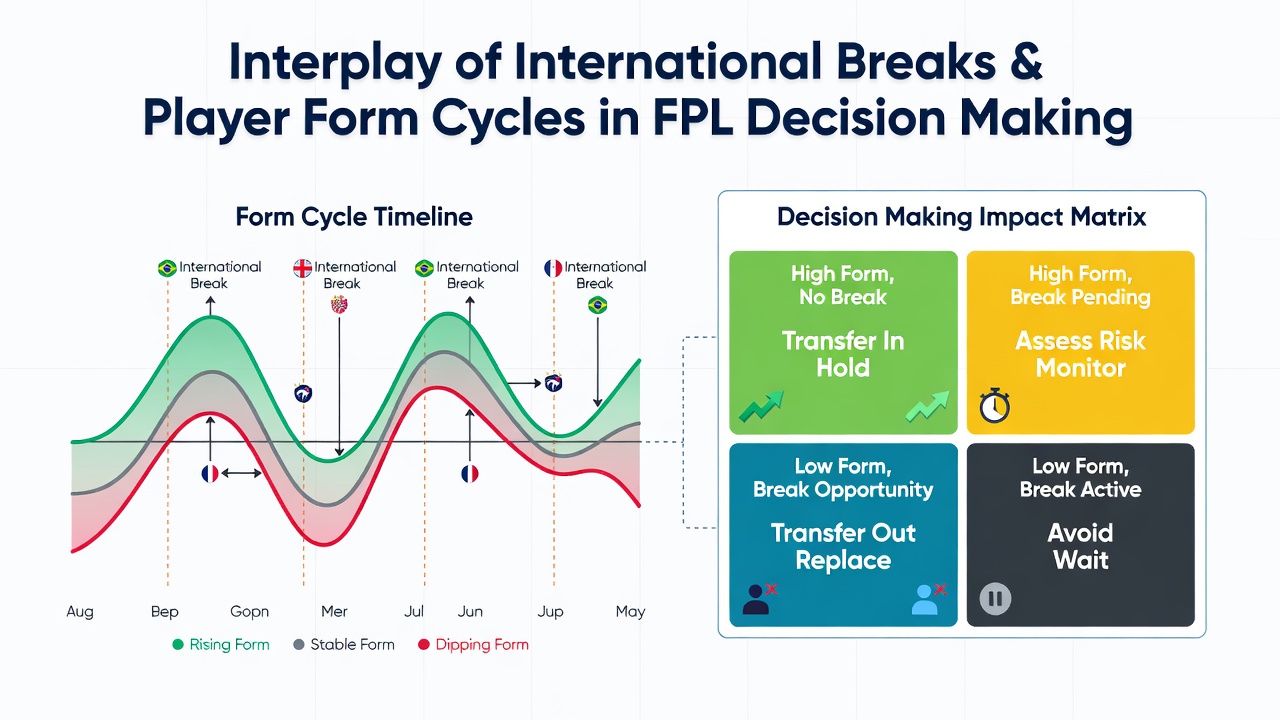
Form cycles rarely reset uniformly after a break because individual fitness levels, age, and club rotation policies all interact with the time away from domestic action. Data shows that younger players under 24 often rebound within a single match, while veterans over 30 require closer monitoring across two or three fixtures before their underlying numbers stabilise. Managers therefore cross-reference minutes played on international duty with club training reports to gauge who might start on the bench in the immediate return window.
What's interesting is how certain clubs mitigate these effects through tailored recovery protocols, and figures from the English Institute of Sport indicate that structured sleep and nutrition interventions can reduce the performance gap by up to nine percent in the first post-break match. Those interventions remain club-specific, so fantasy decision makers benefit from reviewing each team's historical substitution patterns rather than applying blanket assumptions across the league.
Integrating Break Data into Selection Choices
Decision frameworks now incorporate international minutes as a weighted variable alongside fixtures, home or away status, and opposition strength. Teams that face favourable schedules immediately after a break tend to see increased ownership of their players, while assets returning from long-haul travel see ownership drop until their first strong performance confirms readiness. The ball's in the manager's court when balancing short-term rotation risks against longer-term upside, yet the evidence consistently points to patience with high-mileage players during the initial reintegration phase.
Case studies from the 2024/25 season illustrate the pattern clearly, with several forwards who featured heavily for their nations recording lower than expected goal tallies in gameweek 9 before normalising by gameweek 11. Observers note that the same trend appeared across multiple positions, underscoring why squad planners maintain bench options that cover the first two fixtures after each break.
Looking Ahead to August 2026 and Beyond
As the 2026/27 season prepares to open in August 2026, the international calendar already lists additional windows that overlap with the expanded Club World Cup cycle, and early projections suggest workload management will become even more critical. Analysts continue to refine predictive models by layering historical post-break data onto upcoming fixture lists, and the resulting insights help fantasy participants anticipate which players may carry residual fatigue into the opening months.
Conclusion
The interplay between international breaks and form cycles supplies a measurable layer of information that shapes selection timing across an entire season. By consulting workload statistics, recovery studies, and club-specific patterns, managers build more informed views of when assets are likely to deliver peak output and when caution remains prudent. The patterns documented so far provide a factual foundation for ongoing refinement as new seasons unfold.