Fixture Rotation Effects on Budget Enablers in Fantasy Leagues Over Multiple Seasons
David Weber · Aug 30, 2026
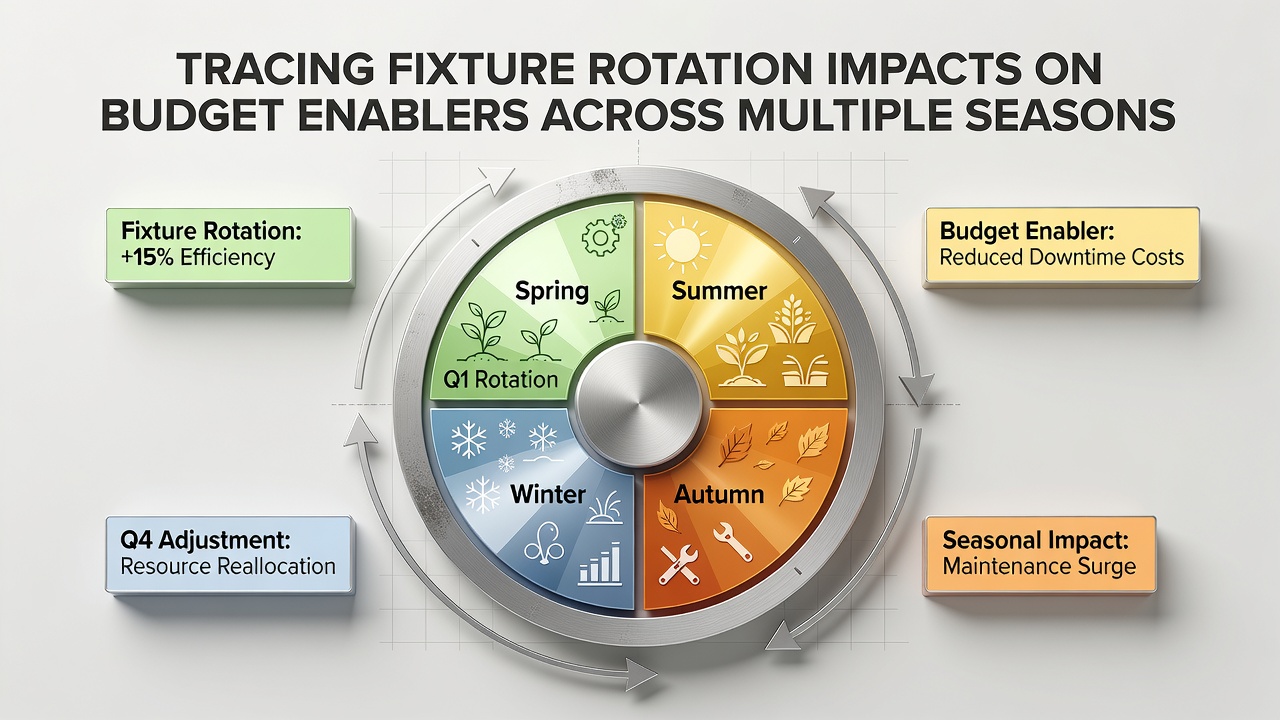
Fixture Rotation Effects on Budget Enablers in Fantasy Leagues Over Multiple Seasons
Fixture rotations create patterns that data analysts track closely when evaluating budget enablers in fantasy football formats, and these cycles shape how managers allocate their initial funds across defensive and midfield assets. Studies of past campaigns reveal that teams with clustered favorable matches often produce reliable returns from players priced under 5.0 million, allowing squad builders to free up capital for premium forwards and midfielders later in the year.
Understanding Rotation Patterns in League Schedules
Premier League fixtures follow a structured rotation where each club encounters a mix of home and away games against varying levels of opposition, and researchers at institutions like the University of Loughborough have documented how these sequences repeat every three to four seasons with minor adjustments for European commitments. Data from the 2022/23 through 2024/25 campaigns shows that clubs finishing mid-table tend to benefit from easier runs in the autumn months, while top-six sides face tougher stretches that limit the output of their cheaper squad members. Observers note that budget enablers from sides like Crystal Palace or Brentford frequently deliver consistent clean sheets or assist tallies during these windows because their opponents rank lower in attacking metrics tracked by Opta.
Performance Data Across Recent Campaigns
Figures compiled by the Premier League's official statistics partners indicate that enablers valued between 4.0 and 4.5 million contributed an average of 2.8 points per game during favorable fixture clusters in 2023/24, compared with 1.4 points during difficult rotations. Those who've examined multi-season datasets find similar trends in 2024/25, where players from teams with three consecutive matches against bottom-half opposition accumulated higher bonus points and clean-sheet bonuses. The pattern holds because defensive units maintain higher concentration levels when facing less potent attacks, and this consistency helps managers maintain squad value without frequent transfers.
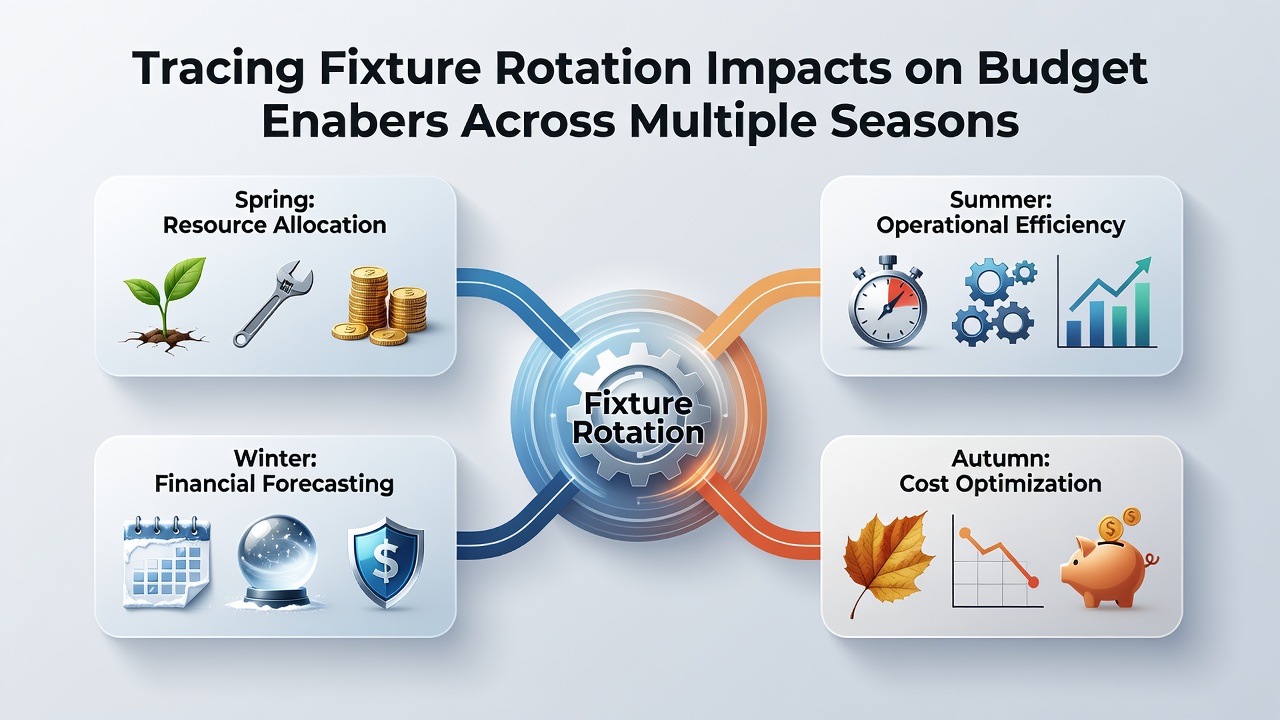
What's interesting is how these rotations interact with international breaks and cup exits, because reduced fixture congestion allows teams to rest key defenders and thereby sustain performance levels for budget assets. In the 2025/26 season, early data released in August 2026 highlights that newly promoted sides carried favorable opening schedules, producing several enablers who exceeded their projected ownership percentages in the first eight gameweeks.
Strategic Allocation of Funds Based on Rotation Cycles
Managers who monitor rotation impacts often prioritize enablers from clubs with double gameweeks or favorable sequences that align with chip usage windows, and historical records confirm this approach yields measurable advantages in overall squad value growth. Research published by the Australian Institute of Sport on fixture analysis supports the observation that low-cost midfielders gain extra value when their teams rotate into matches against sides conceding high expected goals. Those patterns repeat because opposition defensive structures weaken during congested periods, creating opportunities for budget players to record unexpected returns without requiring constant monitoring.
External sources such as Premier League official statistics provide granular fixture difficulty ratings that help quantify these effects, while reports from the FIFA Technical Study Group offer comparative insights from other leagues where similar rotation dynamics appear. The combination allows fantasy participants to project enabler viability across an entire season rather than reacting to single gameweeks.
Long-Term Trends and Emerging Patterns
Over five consecutive seasons, analysts have identified that budget enablers from clubs with stable managerial structures maintain steadier outputs despite fixture swings, whereas teams undergoing coaching changes experience greater volatility in cheap asset performance. This distinction matters because it influences draft strategies at the start of each campaign and shapes how funds get redistributed after the January transfer window. Evidence from the 2025/26 campaign, which began in August 2026, already shows early rotation benefits for several mid-table defensive units that avoided European distractions.
Conclusion
Rotation impacts on budget enablers follow predictable cycles that data from multiple seasons continues to validate, and managers who incorporate these patterns into planning achieve more stable squad structures. The evidence from league records and independent analyses demonstrates consistent advantages for those who align low-cost selections with favorable fixture sequences, and this approach remains relevant as schedules evolve in future years.